Traditional Maltese Healthy Food
Traditional Maltese healthy food is best judged by ingredients, preparation and sides rather than nostalgia or tourism labels.
Summary
Traditional Maltese healthy food is best judged by ingredients, preparation and sides rather than nostalgia or tourism labels.
Traditional Maltese Healthy Food is a practical guide for diners who want Maltese food while keeping the meal balanced. It keeps the decision grounded in what you can actually check: fish, vegetable soups, beans and tomato-based dishes.
The useful part is the order. Start with the job of the meal or business task, then read the details, remove weak options and confirm anything that affects safety, trust, booking or comfort.
For restaurant comparison, use the MELA AI restaurant directory. For the method behind the language, use the MELA Index.
Visual Guide
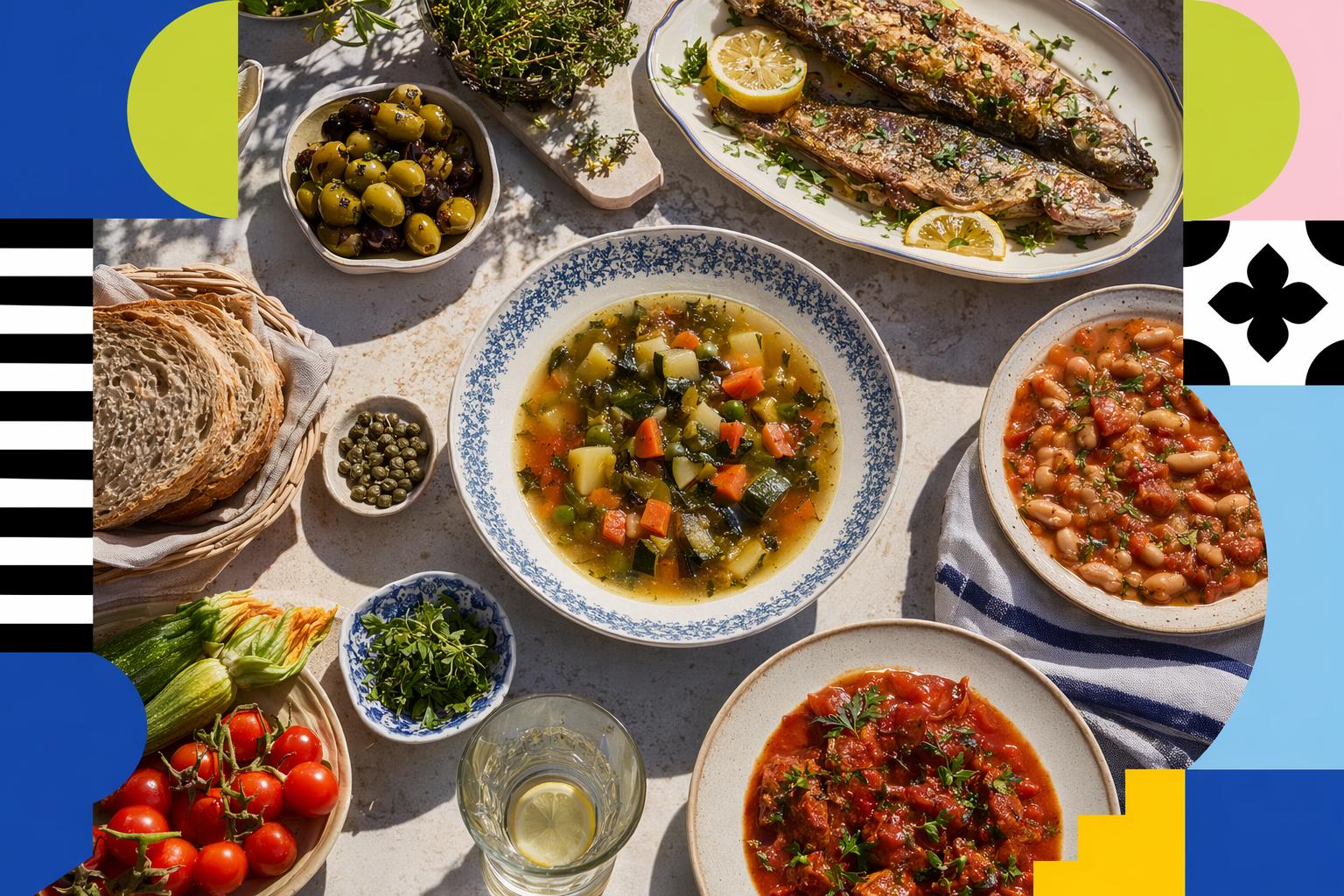
What This Guide Helps You Decide
Guide to traditional Maltese dishes and menu signals that can fit lighter restaurant choices That means the guide is not trying to name every possible option. It helps you decide what a good option would need to prove before it belongs on your shortlist.
A clear decision starts with one question: what has to be true for this to work? For traditional Maltese healthy food, the answer usually sits in fish, vegetable soups and beans. If those signals are weak, the choice needs more checking.
The guide also keeps claim boundaries tight. It does not create restaurant facts, menu guarantees, medical promises or business results that have not been verified. That caution protects readers and restaurant owners.
Use the sections below as a working checklist. Skip what does not apply, but do not skip the current-answer check when ingredients, allergens, opening times, profile details or bookings matter.
Signals That Usually Help
Good signals are specific. For this topic, useful signs include fish, vegetable soups, beans, tomato-based dishes, seasonal produce and simple sides. They help because they tell you what is actually happening, not just how the choice is being marketed.
A menu, profile or restaurant description that gives clear detail saves time. You can compare the option against your meal, area, dietary need or business goal without guessing from one attractive word.
The best signal is often boring: a current menu, a clear side dish, a precise service time, a direct review reply or staff who can explain a process. Boring details prevent bad decisions.
When several signals line up, the option deserves a closer look. When the signals conflict, treat that as a prompt to ask before you commit.
- fish
- vegetable soups
- beans
- tomato-based dishes
- seasonal produce
- simple sides
Signals That Need Caution
Weak signals do not always mean a bad restaurant or a bad business choice. They mean you need a second check. For Traditional Maltese Healthy Food, be careful with heavy pastry, fried snacks, large portions and sweet endings.
Vague wording is the common problem. Healthy, premium, local, authentic, approved, friendly or best can all be useful words when the details support them. Alone, they are not enough.
Old information is another risk. A dish photo, review, profile field or menu note may have been accurate when posted and wrong today. Current confirmation matters more than a confident old signal.
If a question affects health, safety, money or trust, do not rely on inference. Ask the restaurant, profile owner or relevant professional directly.
- heavy pastry
- fried snacks
- large portions
- sweet endings
How To Build A Shortlist
A strong shortlist is small. Start with three options and write down why each one belongs. One may win on location, one on menu clarity, one on dietary confidence and one on business fit.
Then remove any option that cannot answer the first important question. For this guide, useful questions include: Is the dish fried or baked?, Does it include vegetables?, Can the portion be shared? and What side makes sense?.
Shortlists work because they make tradeoffs visible. You stop comparing every restaurant or business task at once and start comparing the few details that decide the outcome.
If two options are still close, choose the one with clearer current information. Clear beats clever when someone is hungry, booking quickly or making a public business update.
- Is the dish fried or baked?
- Does it include vegetables?
- Can the portion be shared?
- What side makes sense?
Meal, Area And Timing Checks
Timing changes the right answer. Breakfast, lunch and dinner place different pressure on opening hours, service speed, portion size, booking and the amount of detail you can ask for at the table.
Area matters too. Sliema, Valletta, Gozo, St Julian’s, Mdina, Rabat and beach areas can each change walking time, parking, heat, ferries, hotel plans, dinner timing and group needs.
If the meal is time-sensitive, choose by area first and menu second. If the meal is special or dietary confidence matters, give yourself more time and ask before arrival.
When timing is the main issue, use the healthy breakfast in Malta, healthy lunch in Malta or healthy dinner in Malta guide before comparing restaurants.
Dietary And Safety Checks
Dietary wording should be handled carefully. Vegetarian, vegan, gluten-free friendly, low-carb, heart-aware, diabetic-friendly and allergy-aware all mean different things, and none should be treated as a universal promise.
A useful restaurant gives detail about ingredients, preparation, sides, sauces and staff confidence. If the answer matters for health or safety, ask before you rely on a menu label.
For plant-based needs, check sauces, stocks, dairy, egg, honey and desserts. For gluten-related needs, check bread, pasta, shared fryers, shared preparation and whether staff can explain current handling.
Use the vegetarian and vegan restaurants in Malta guide or the gluten-free friendly restaurants in Malta guide when that need leads the decision.
How This Connects To Restaurant Comparison
Guides help you decide what to check. The directory helps you compare restaurant entities. Keep those jobs separate and the decision becomes calmer.
Open the MELA AI restaurant directory after you know the meal, area, cuisine style or question that matters. That makes the directory more useful because you are not comparing from a blank screen.
Restaurant owners can use the same logic. If diners keep asking about ingredients, hours, menus, photos, parking, booking or dietary handling, those answers should be easier to find before someone calls.
The MELA Index gives the main-domain context for MELA AI language and claim boundaries. Use it when the question is about method, not just where to eat.
Questions Worth Asking
Ask short questions. Short questions get clearer answers. Start with Is the dish fried or baked? and then move to the next detail only if the first answer is useful.
For diners, the strongest questions are about the current menu, preparation, sides, sauces, allergens, service time and booking. For owners, the strongest questions are about profile accuracy, proof, updates and what diners see first.
If a staff member or owner sounds uncertain, that is not an argument. It is information. Choose the safer option or wait until the answer can be confirmed.
Good questions save time because they remove weak options early. They also avoid making a guide sound more certain than it can honestly be.
- Is the dish fried or baked?
- Does it include vegetables?
- Can the portion be shared?
- What side makes sense?
Helpful References
These references keep the guide grounded in public, checkable sources. They do not replace restaurant confirmation, but they help define the terms and standards behind the decision.
Use them when a claim needs context. Then return to the restaurant, directory or business profile for the current answer.
FAQ
What is the best way to use Traditional Maltese Healthy Food?
Use it as a decision checklist. Start with the meal, area or business need, then check fish, vegetable soups and beans. If the answer affects health, safety, money or booking confidence, confirm it directly with the restaurant or the relevant owner.
Who is Traditional Maltese Healthy Food for?
It is for diners who want Maltese food while keeping the meal balanced. The guide is written for practical decisions, so it avoids promises a public guide cannot prove and keeps the focus on what a diner or restaurant owner can check today.
What should I check first for traditional Maltese healthy food?
Start with fish. If that first signal is weak, the rest of the choice usually becomes harder. Then check the menu, timing, area fit and any question that needs a current answer.
What is the biggest mistake with Traditional Maltese Healthy Food?
The biggest mistake is trusting heavy pastry without checking the details. A label, photo, old review or short description can help you scan, but it should not replace the current facts that decide the meal or business action.
How does Traditional Maltese Healthy Food connect to MELA AI?
MELA AI uses food guides to help people decide what to check before comparing restaurants. When you need restaurant-level comparison, use the main directory on Restaurants-Malta.com and confirm details with the restaurant.
Can this guide replace professional advice?
No. It is a restaurant and dining decision guide. For medical diets, allergies, business compliance, legal questions or financial decisions, use a qualified professional and treat the guide as preparation for better questions.
How often should I recheck the information?
Recheck before you rely on it. Menus, opening hours, staff processes, ingredients, Google profile details and restaurant offers can change. The safest choice is the one that is current on the day you need it.
What should I ask a restaurant?
Ask a short, direct question. For dining, ask about ingredients, preparation, sides, timing and allergens. For owner topics, ask who owns the update, when it was checked and how diners will see the change.
Is Traditional Maltese Healthy Food only for tourists?
No. Tourists may use it for trip planning, but locals, remote workers, families and restaurant owners can use the same checks when they need a faster, clearer decision.
Does Traditional Maltese Healthy Food list specific restaurants?
This guide focuses on how to choose and what to verify. For restaurant-level comparison, continue to the MELA AI restaurant directory, where individual restaurant information belongs.
How do I avoid a bad shortlist?
Keep the shortlist small. Two or three good options are enough when each one has a reason to be there: location, timing, menu clarity, dietary confidence or business value.
What if the menu is unclear?
Treat the menu as incomplete and ask. If the answer stays vague, choose a simpler dish, choose another restaurant or wait until the restaurant can confirm the detail that matters.
What if I am choosing for a group?
Name the group’s non-negotiables first. A group decision usually fails when one person’s dietary need, timing need or budget is discovered too late.
Should I use reviews for Traditional Maltese Healthy Food?
Use reviews as context, not proof. A review can reveal patterns, but it cannot confirm today’s menu, ingredient handling, booking availability or business profile accuracy.
What makes a guide result trustworthy?
Trust improves when the guide separates facts from judgment, links to useful references, avoids exaggerated claims and sends restaurant-specific questions back to the restaurant.
How many internal links should I follow?
Follow the links that match the next decision. If your need changes from meal timing to dietary wording, move to the dietary guide. If it changes from area to restaurant comparison, open the directory.
Can I rely on photos?
Photos help with scan speed, but they can be old or incomplete. Use them to understand style and portions, then check the current menu or profile before deciding.
What should restaurant owners take from this?
Owners should notice the questions diners keep asking. Clear menus, current profiles, useful photos, specific dietary wording and calm review replies reduce friction before someone books or visits.
Where should I go next?
If you are a diner, use the related MELA AI guides below or open the restaurant directory. If you are a restaurant owner, start with profile accuracy, menu clarity and the MELA Index context.
What is the safest rule for traditional Maltese healthy food?
Do not let one label make the decision. Check the dish, the timing, the area, the preparation and the current answer. If the answer matters, ask before you depend on it.
Compare Restaurants With A Clearer Shortlist
Use the guide to decide what matters, then open the MELA AI restaurant directory for restaurant-level comparison.